

South Africa swings between hot days and cold nights, especially on the Highveld. A house that keeps up with that swing without running a heater or air conditioner all day saves its owners money. Brick walls are one of the simplest ways to help with that, but only if the wall is built and specified properly. This guide explains how brick works, what the building regulations ask for, and where people go wrong.
How a Brick Wall Manages Heat
Thermal Mass in Plain Language
Brick is dense, so it takes a long time to heat up and a long time to cool down. During a hot day the wall soaks up warmth slowly, so the inside stays cooler for longer. In the evening it releases that heat gradually. In a climate with a big gap between day and night temperatures, this slow response smooths out the swings inside the house.
Thermal Mass Is Not Insulation
These are two different things and people mix them up. Thermal mass slows the movement of heat. Insulation resists it. A solid brick wall has plenty of mass but only modest insulation. The best results come from using both, with brick providing the mass and insulation or an air gap providing the resistance.
Cavity Walls and Insulation
What a Cavity Does
A cavity wall has two leaves of brick with an air gap between them. The gap slows heat flow and also helps keep driving rain from reaching the inside leaf. Fitting insulation in the cavity or on the inside of the wall improves performance further. If you are comparing wall types for a new build, a quantity surveyor or energy consultant can tell you which combination suits your climate zone.
The Role of SANS 10400-XA
South Africa’s national building regulations include Part XA, covered by SANS 10400-XA, which deals with energy usage in buildings. It sets out how new buildings must meet minimum energy performance, and walls, roofs, windows and orientation all play a part. Your architect or energy professional deals with the detail for your project, and your plans cannot be approved without it. We recommend asking them early which wall build-up they intend to use.
Where Brick Wins and Where It Needs Help
| Factor | Brick wall | What helps it further |
|---|---|---|
| Daily temperature swings | Dense walls slow the change | Shade, correct orientation |
| Cold winter nights | Mass holds some warmth | Insulated cavity, good roof insulation |
| Hot summer afternoons | Wall delays heat reaching the inside | Roof overhangs, light roof colour |
| Maintenance | Low | Check mortar joints now and then |
| Fire | Clay brick does not burn | See our fire resistance guide |
Windows and the roof usually lose or gain more heat than the walls, so a good wall cannot make up for a poorly insulated ceiling. Treat the house as a system.
Planning a House That Stays Comfortable
Think About Orientation First
In most of South Africa, the sun is in the north for much of the day. Placing living areas to the north, shading them with overhangs, and keeping glass on other sides to a sensible size does more than any wall material alone.
Use the Brick Where It Counts
Exposed face brick on the inside as well as the outside of a wall lets the mass work for you, because it is not hidden behind insulation layers. If that appeals to you, our article on raw face bricks in luxury interiors shows how it can look.
Choose the Right Brick for the Job
Face bricks come in different grades for different conditions. Our guide to FBX, FBS and FBA grades explains which suits which application.
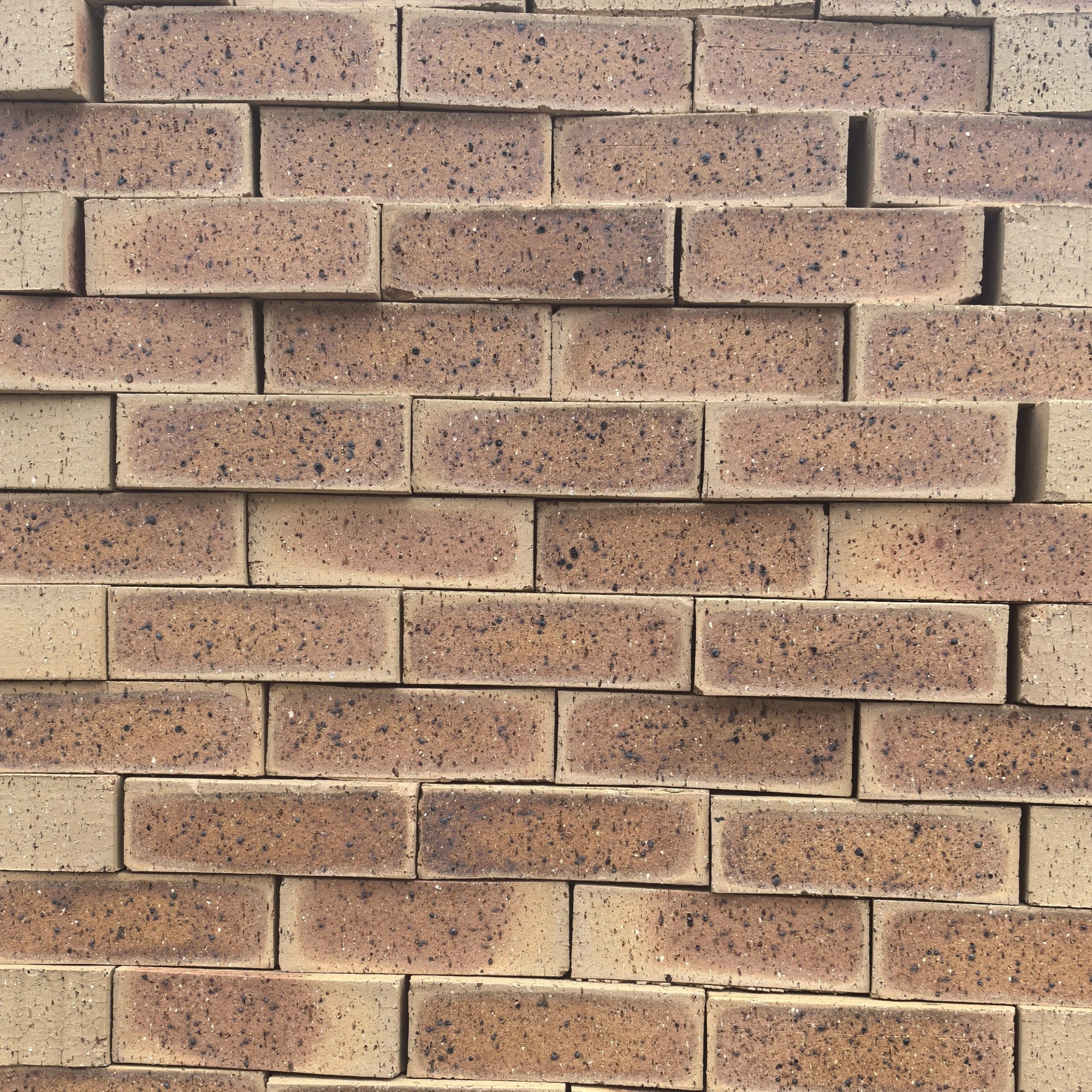
For a warm, natural look, see the Country Manor Travertine face brick or browse the whole shop range. You can also use the brick calculator to estimate how many bricks your walls need.
Common Mistakes
The first is assuming a brick house is automatically efficient. A bare single-skin wall with an uninsulated roof and large west-facing windows will still be uncomfortable. The second is leaving the cavity detailing to chance, because gaps and bridging can reduce performance. The third is ignoring damp, since a wet wall loses its insulating value. Our piece on what causes damp in brick walls explains how to avoid it.
Frequently Asked Questions
Are brick houses cooler in summer?
They can be. Dense brick walls slow the movement of heat, so the inside warms up more gradually. Roof insulation, shading, and ventilation still make a big difference.
Are brick houses warmer in winter?
Brick holds some warmth and releases it slowly, but it is not insulation. For better winter comfort, combine brick with an insulated cavity or ceiling insulation.
What is SANS 10400-XA?
It is the part of the South African national building regulations that covers energy usage in buildings. Your architect or energy professional should confirm how your plans meet it.
Is a cavity wall better than a solid wall for energy efficiency?
Generally a cavity wall performs better because the air gap slows heat flow, and insulation can be added. The right choice depends on your climate zone, budget, and design.
Does face brick need extra insulation?
Often yes, depending on the wall build-up and where you live. Ask your energy professional what is needed to comply with the regulations for your project.
Get a Quote From Dezyno Bricks
Dezyno Bricks supplies premium clay face brick, semi-face brick, and plaster brick across South Africa from our yard in Springs, Gauteng. Call us on 061 538 5968, email sales@dezynobricks.co.za, or message us on WhatsApp to get a quote for your next project.


