
Clay brick is often described as a green building material. Some of that is fair and some of it is marketing, so it helps to look at the whole picture. Bricks are made from natural material and can last for generations, but they are also fired in kilns, and that takes energy. This article sets out both sides plainly so you can decide for yourself.
What Clay Bricks Are Made From
A Natural, Local Material
Clay bricks are made from clay, shaped and fired. There are no added chemical binders in the brick itself. Because clay is heavy and costly to move, bricks are usually made reasonably close to where they are used, which keeps transport distances down. The yard at Dezyno Bricks in Springs, Gauteng, sits in the middle of one of the country’s biggest building markets, so most buyers do not need bricks hauled across the country.
What Happens at the End of Life
A clay brick does not rot, rust, or release anything harmful as it ages. When a wall is demolished the bricks can often be cleaned and reused, or crushed and used as fill or aggregate. Old bricks have a long history of being reused in garden walls, paths, and feature walls.
The Honest Part: Firing Takes Energy
Making a brick means heating clay in a kiln at high temperature, and that uses fuel. This is the main environmental cost of clay brick, and no manufacturer can avoid it entirely. Producers can reduce it with efficient kilns, careful loading, and cleaner fuel choices, and you can ask any supplier what their plant is doing. We would be wary of anyone who claims firing has no footprint.
Why Longevity Matters
An environmental cost spread over a century is far smaller than the same cost spread over twenty years. A face brick wall that never needs painting, plastering, or replacing avoids the paint, the cement, the labour, and the trips that come with repeated maintenance. Our guide to how long clay face bricks last goes into the lifespan question properly.
Clay Brick Compared With Other Options
| Factor | Clay face brick | Plaster and paint on a masonry wall |
|---|---|---|
| Finish needs repainting | No | Yes, repeatedly |
| Extra materials over time | Very little | Paint, plaster repairs, sealers |
| Reuse at end of life | Often possible | Plaster contaminates reuse |
| Main impact | Energy used in firing | Cement, paint, and repeat maintenance |
| Burns in a fire | No | Wall does not burn, paint can |
We are not claiming that one is always greener than the other. Many factors apply, including the brick type, the plant, and the distance travelled. If someone quotes you exact carbon figures, ask where they come from and whether they are specific to the product you are buying. Product-specific environmental declarations are the right place to look.
Ways to Build Greener With Brick
Design Out Waste
Order the right quantity, plan the coursing, and use the full bricks wherever possible. Our brick calculator helps you estimate what you need so you are not left with a pile of surplus.
Skip the Finish
Using face brick means there is no plaster layer and no paint. That removes materials and also removes the damp problems that come with some plaster systems, which we explain in our guide to why cement plaster acts like a sponge.
Reuse Where You Can
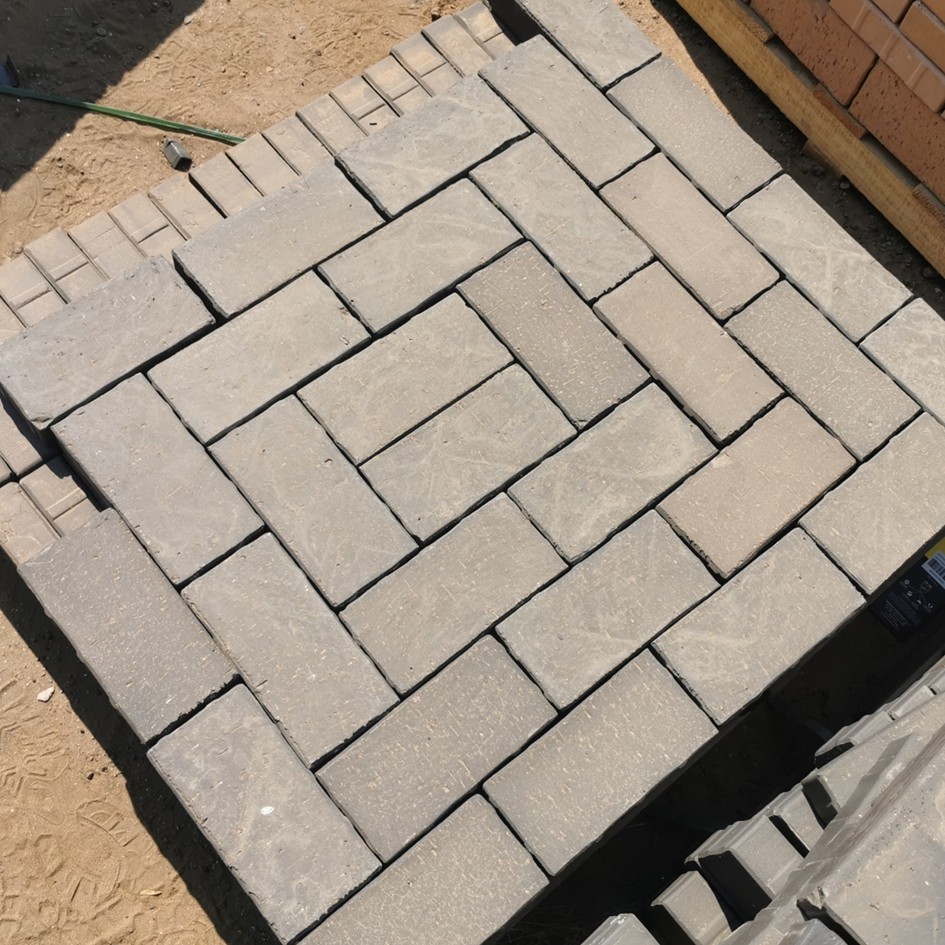
Offcuts and leftover bricks make good garden edging, planter walls, and paths. Pavers in particular are made to take foot traffic and weather, which makes them well suited to outdoor reuse and long life.
For a driveway or patio that is built to last, see the Graphite Bevel Pavers or browse our first grade clay bevel pavers. The full shop range is also open if you want to compare options.
Frequently Asked Questions
Are clay bricks eco friendly?
They have real strengths: natural raw material, long life, and potential for reuse. The main downside is the energy used to fire them, so it depends on how and where they are made.
Can old clay bricks be reused?
Often, yes, particularly if they were laid in a soft mortar and can be cleaned. Bricks covered in hard cement are harder to salvage.
Do clay bricks release harmful chemicals?
Fired clay is a stable material and does not release anything as it ages. If you have a specific health or safety question about a product, ask for its technical data sheet.
Is face brick better for the environment than plaster and paint?
It avoids repeated painting and plaster repairs, which cuts materials and maintenance over time. It is not a simple yes or no, so compare the full life of each option.
How can I build with less waste?
Plan quantities carefully, order accurately, keep offcuts for garden projects, and choose a finish that will not need replacing in ten years.
Get a Quote From Dezyno Bricks
Dezyno Bricks supplies premium clay face brick, semi-face brick, and plaster brick across South Africa from our yard in Springs, Gauteng. Call us on 061 538 5968, email sales@dezynobricks.co.za, or message us on WhatsApp to get a quote for your next project.


