
Bringing Raw Face Bricks into Luxury South African Interiors
May 25, 2026
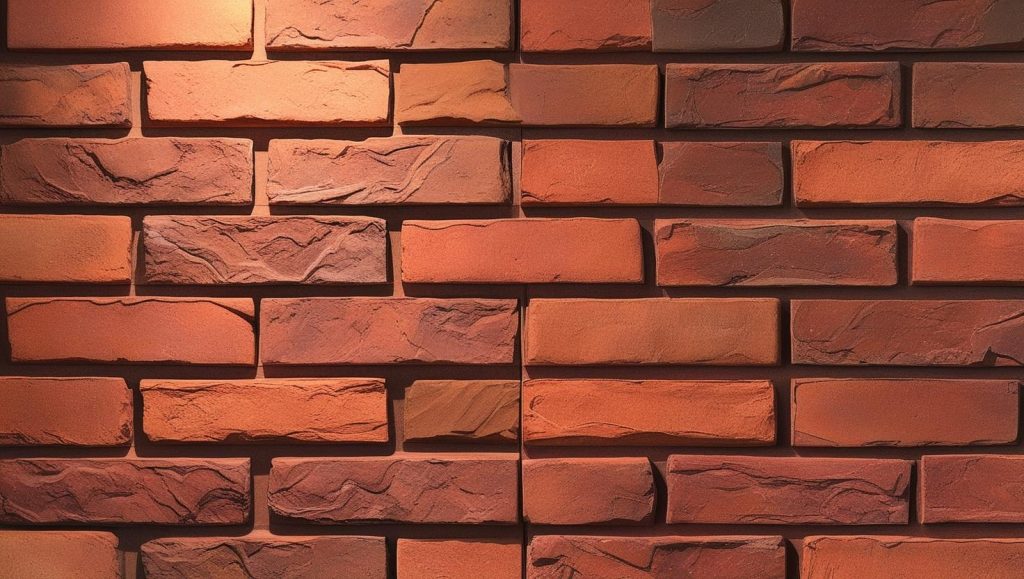
The Interior Brick Trend Taking South African Homes by Storm
Face bricks have always had a home on the outside of a building. That much is obvious. What is becoming far less obvious is where that exterior stops and the interior begins, because South African homeowners and designers are increasingly tearing down that boundary altogether.
Using raw face bricks inside the home is one of the strongest interior design trends making its way through high-end South African residential builds right now. Done well, it brings a sense of warmth, texture, and permanence that no painted wall or cladding panel can replicate. It feels honest, grounded, and genuinely beautiful in the right space.
The key phrase there is done well. Because this is a trend with a clear ceiling. Get the application wrong and a gorgeous material becomes a liability.
Where Face Bricks Work Beautifully Inside the Home
Not every room in the house is a candidate for exposed interior brickwork, and understanding where it shines is half the battle.
The Living Room
The living room is where interior brickwork absolutely earns its place. A single feature wall behind a fireplace or a full exposed brick wall anchoring a seating area creates a focal point that is almost impossible to achieve with any other material. It adds depth, visual weight, and a raw sophistication that works equally well in a contemporary home or a more traditional setting.
South African living spaces, which often blur the line between indoor and outdoor living, benefit particularly from interior brickwork. The texture and earthiness of a face brick wall reinforces that connection to the outdoors without needing to open a door.
The Kitchen
The kitchen is the second space where interior brickwork delivers. A brick splashback, a full wall behind open shelving, or an exposed brick column framing a kitchen island can completely transform the feel of a kitchen from functional to considered. It works especially well in open-plan designs where the kitchen flows into a living or dining area, giving the entire space a cohesive material language.
Where to Draw the Line
The bedroom is where most designers and homeowners will tell you to stop. Exposed brickwork in a bedroom tends to read as cold and unfinished rather than warm and curated. The bedroom is a space that calls for softness, comfort, and calm. Raw brick, with its texture and visual weight, works against all of that. It can be done, but it takes a very specific brief and very skilled execution to pull it off without the room feeling more like a converted warehouse than a sanctuary.
Choosing the Right Face Brick for an Interior Application
Not all face bricks are suited to interior use, and the selection process for an internal application is different from specifying for an exterior wall.
Finish and Texture Matter More Inside
On an exterior wall, a rough or heavily textured brick finish reads well from a distance and performs a practical function. Inside the home, that same brick is at eye level and arm’s reach. The finish will be scrutinised far more closely. Smooth and semi-smooth face bricks tend to work best for interior applications because they carry colour more consistently and feel more considered as a design element.
Colour Selection for South African Interiors
South African homes typically lean into natural, warm colour palettes that respond to the country’s light and landscape. Interior brickwork in warm terracotta tones, sandy buffs, and charcoal greys all perform well against the whites, timbers, and linens that dominate local interior design. Stark white or off-white face bricks are gaining traction in contemporary builds where a cleaner, more minimal aesthetic is the goal.
Making It Look Luxurious, Not Industrial
The difference between an interior brick wall that looks intentional and one that looks like the plasterer ran out of time comes down to two things: material pairing and lighting.
Pairing Face Bricks with the Right Materials
Brick on its own does not make a design. It is what surrounds it that determines whether the result feels luxurious or unfinished. Timber, whether in flooring, cabinetry, or furniture, is a natural partner for interior brickwork and is a pairing seen throughout high-end South African interior design. Concrete and steel work well in more industrial-contemporary schemes. Soft furnishings in linen, velvet, or leather pull the warmth out of the brick and prevent the space from feeling hard.
Lighting as the Final Layer
Lighting can make or break an exposed brick wall. Grazing light from a downlight or wall-mounted fixture positioned close to the brick surface will cast shadows across the texture and bring the wall to life. Flat, diffused lighting will flatten it and kill the effect. If you are planning an interior brick feature, the lighting plan needs to be part of the conversation from the start, not an afterthought.
Interior Brick: Room-by-Room at a Glance
Room | Recommended | Best Application | Brick Finish to Consider |
Living Room | Yes | Feature wall, fireplace surround | Smooth, semi-smooth |
Kitchen | Yes | Splashback, open shelving wall, island column | Smooth, light buff tones |
Dining Room | Yes | Accent wall | Semi-smooth, warm tones |
Study / Home Office | Yes (carefully) | Single feature wall | Charcoal or darker tones |
Bedroom | Not recommended | N/A | N/A |
Bathroom | Not recommended | High moisture risk | N/A |
Frequently Asked Questions
Do interior face bricks need to be sealed?
Sealing is strongly recommended for interior applications, particularly in kitchens where the brick may be exposed to steam, grease, and moisture. A breathable masonry sealer will protect the surface without changing the appearance significantly. Your supplier can advise on the right product for the specific brick range.
Can I use the same face bricks inside and outside for a consistent look?
Yes, and this is actually a very effective design move in open-plan homes or spaces that connect to a courtyard or outdoor area. Using the same brick internally and externally creates a seamless material flow. Just confirm with your supplier that the brick is appropriate for both exposure contexts.
Does interior brickwork affect acoustics in a room?
It can. Hard surfaces reflect sound, and a large exposed brick wall will contribute to a livelier acoustic environment. In open-plan living areas this is rarely a problem, but in a dedicated home cinema or music room it would need to be considered alongside soft furnishings and acoustic treatments.
How do I clean interior face brickwork?
Routine cleaning is straightforward. A dry or lightly damp brush will remove dust. For marks or staining, a mild detergent solution and a stiff brush works well on most face brick finishes. Avoid high-pressure washing indoors and steer clear of acid-based cleaners, which can damage the brick surface and any sealer applied.
Is interior brickwork a good investment for resale value?
In the right home and the right context, yes. A well-executed interior brick feature in a living room or kitchen is seen as a premium finish by most buyers in the South African market. Poorly executed or overused brickwork, however, can have the opposite effect. The rule of thumb is to use it as a considered design element, not to cover every available surface.