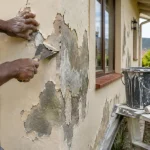

A boundary wall has a harder life than any wall in the house. It stands outside in all weather, it has soil pushed against one or both sides, and garden irrigation often sprays it for part of every week. Walls with that much moisture exposure tend to show their weaknesses quickly, and a plastered finish is usually the first thing to give way. If you are new to the topic, start with our guide to what causes damp in brick walls. Here is why boundary walls get damp, what makes a plastered one fail, and how to build one that lasts.
Why Boundary Walls Get So Damp
Soil Against the Wall
Garden beds and raised ground sit directly against the base of many boundary walls. Wet soil pushes moisture into the brick, and because most free-standing walls have no cavity or interior to protect, the moisture just keeps travelling through. Soil piled above the damp proof course gives ground moisture a direct route up the wall, the same bridging problem we describe in how plaster bridges the damp proof course.
Rain on Both Faces
Unlike a house wall, a boundary wall is rained on from both sides. There is also nothing above it, such as a roof overhang, to shed water, so rain lands directly on the top of the wall and runs down. Water that sits on a flat wall top works its way into the brick below.
Sprinklers and Irrigation
Garden sprinklers can soak the lower part of a wall for an hour or more at a time, several times a week, all year round. That is a lot more water than rainfall alone would deliver, and it hits the same area again and again.
Why Plastered Boundary Walls Decay Quickly
Plaster is porous, so it absorbs the soil moisture, rain, and sprinkler water that reach it, as we explain in why cement plaster acts like a sponge. Paint on top then slows the water on its way out, and the wall stays wet. Dissolved salts crystallise inside the plaster and push it off the brick, which is why plastered boundary walls so often show bubbling paint, white salt deposits, and crumbling patches near the ground long before the rest of the property needs attention.
Because the plaster and paint have to be maintained on both faces, upkeep also doubles. Our piece on why waterproof paint traps damp inside plastered walls explains why coating a damp boundary wall tends to make things worse.
Plastered Versus Face Brick Boundary Walls
| Feature | Plastered Boundary Wall | Face Brick Boundary Wall |
|---|---|---|
| Reaction to sprinklers | Soaks up water, paint blisters | Sheds and dries |
| Soil moisture at the base | Wicks upward through plaster | Rises less easily without plaster |
| Repainting | Both faces, regularly | None needed |
| Typical failure | Bubbling, salt stains, crumbling plaster | Occasional mortar repair |
| Cost over time | Rising with each repaint and repair | Stays largely flat |
How to Build a Damp-Resistant Boundary Wall
Start With the Foundation
Most boundary wall problems start below ground. A solid, level foundation stops the cracking that lets water in, and our guide to different ways to build a boundary wall walks through the options. Good drainage along the base keeps water away from the wall instead of letting it pool.
Use a Damp Proof Course Where the Design Calls For It
The wall needs a properly installed damp proof course at the right level, and soil and paving should be kept below it. Where you have a retaining wall, SANS 10400-K also sets out drainage requirements such as weep holes, so check the design with your engineer or contractor.
Choose Face Brick for the Exposed Faces
A clay face brick wall is made to stay exposed, so it has no plaster or paint to absorb, trap, or lose water. Fired clay face brick naturally disperses water and dries out between wetting cycles, so it holds up effortlessly over decades, even with constant exposure to garden sprinklers. Choosing the right grade matters too, and our guide to FBX, FBS, and FBA face brick grades and South African exposure zones help you pick the right brick for your area.
Protect the Top of the Wall
A capping or coping on top of the wall sheds water away from the brick below, and it is one of the cheapest ways to extend the life of any boundary wall. Combine that with a simple habit of aiming sprinklers away from the wall, and a lot of moisture never reaches the brick.
Keeping It Maintenance-Free in Practice
Face brick is the better short-term and long-term choice for a boundary wall. When it is built properly, with a correct damp proof course, the right cement and sand ratios in the mortar, double brick force, and good drainage at the base, it needs virtually zero ongoing maintenance. Its natural water-dispersion properties keep working year after year, and that is a very different story from scraping, patching, and repainting a plastered wall on both sides. For a full cost picture, read what treating damp on plastered walls really costs.
Ready to price a wall? Browse our face brick range or work out quantities with the brick calculator.
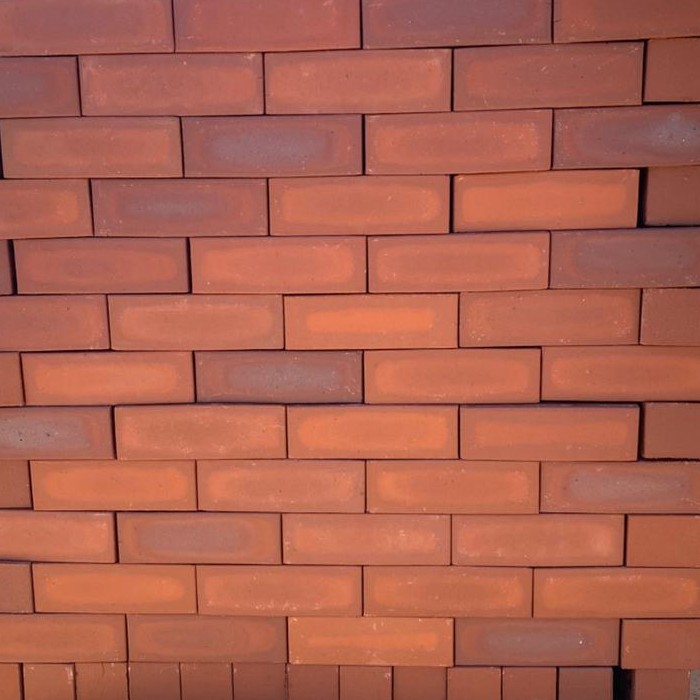
Dezyno Face Brick Range
Premium clay face brick, semi-face brick and pavers. Shown: Redwood Satin Dark.
Frequently Asked Questions
Why does my boundary wall keep getting damp?
Boundary walls are exposed to soil moisture, rain on both faces, and often garden sprinklers. A plastered finish absorbs that moisture and holds it, which is why damp, bubbling paint, and salt stains show up quickly.
Can sprinklers damage a plastered wall?
Yes. Repeated spraying keeps the lower part of the wall wet for long periods, and plaster absorbs the water. Aiming sprinklers away from the wall helps a great deal.
Does a boundary wall need a damp proof course?
Generally yes. A properly placed DPC stops ground moisture rising through the wall, and soil or paving should be kept below it. Check your design with a builder or engineer.
Is face brick better than plaster for a boundary wall?
Yes. For an exposed outdoor wall, face brick is the better short-term and long-term option. Built with proper damp proofing, the right mortar ratios, double brick force, and good drainage at the base, it needs virtually zero ongoing maintenance, even with constant sprinkler exposure. Choose a grade that suits your exposure zone.
How can I stop water getting in at the top of a wall?
Fit a capping or coping that sheds water away from the brick below. It is a simple, inexpensive addition that makes a noticeable difference.
Get a Quote From Dezyno Bricks
Dezyno Bricks supplies premium clay face brick, semi-face brick, and plaster brick across South Africa from our yard in Springs, Gauteng. Call us on 061 538 5968, email sales@dezynobricks.co.za, or message us on WhatsApp to get a quote for your next project.