Different Ways to Build a Boundary Wall
July 2, 2025
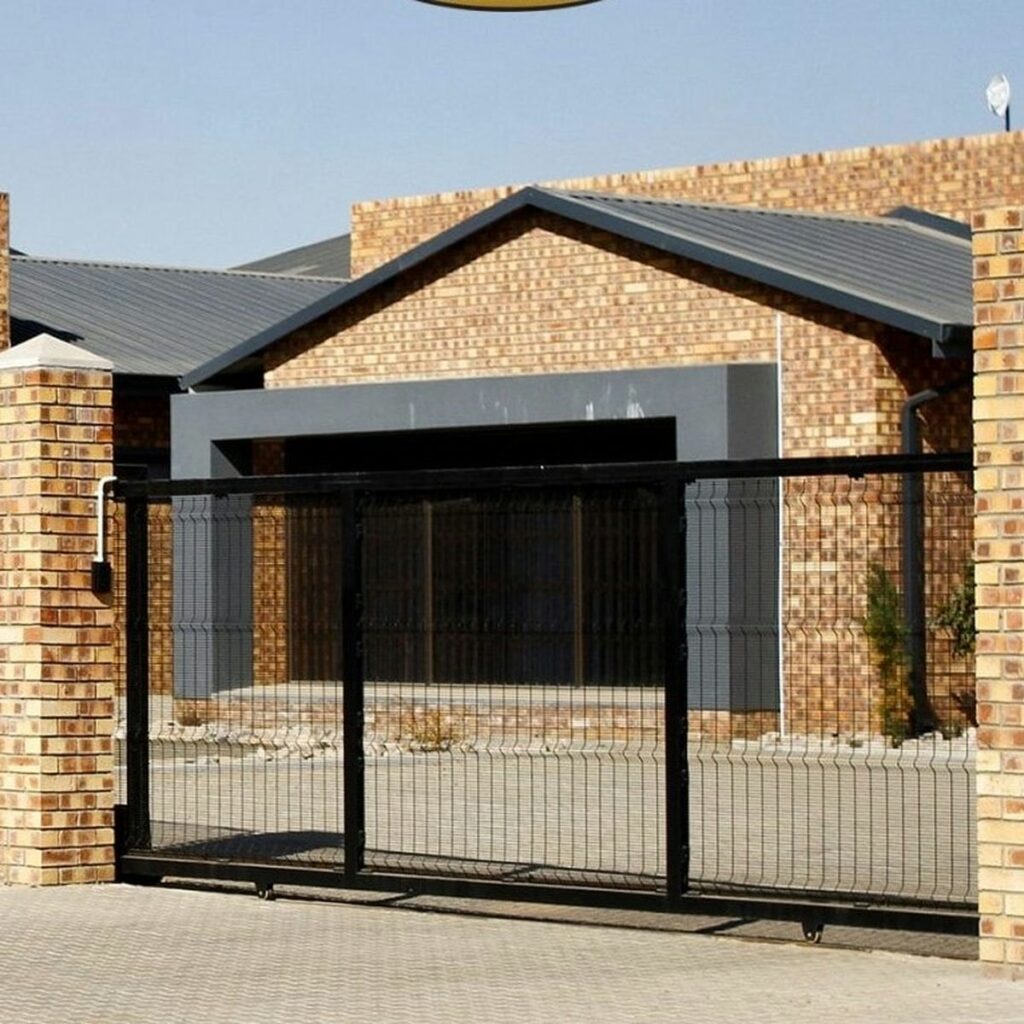
Choosing how to build a boundary wall is not just a question of budget. Height, security needs, wind exposure, and the quality of the ground your property sits on all play a part. South African properties range from small suburban stands to large plots on the outskirts of town, and the right wall for one is rarely the right wall for the other. This guide walks through the three main boundary wall types built in South Africa today, what each one demands in materials and foundation work, and how to avoid the most common mistake homeowners make when pricing a wall.
Why Boundary Wall Type Matters
A boundary wall does two jobs at once. It marks your property line and it has to stand up to decades of wind, rain, and soil movement without cracking or leaning. Getting the wall type wrong for the height and location you need usually shows up years later as a lean, a crack line, or a section that has to be rebuilt. Getting it right from the start costs more upfront in some cases, but it saves you from paying for the same wall twice.
The Three Main Boundary Wall Types
Single Boundary Wall
A single wall, sometimes called a single-skin wall, is one brick thick and suits smaller boundary walls up to around 2 metres high. It is the simplest and most affordable wall type to build, and when it sits on a properly built concrete foundation it forms a rigid, stable structure. Because there is no cavity and no pillars to build around, a single wall also goes up faster than the other two options, which keeps labour costs down.
A single wall of this height needs roughly 55 bricks per square metre.
Single Boundary Wall with Pillars
Adding pillars at one metre intervals lets a single wall go taller, typically up to around 3 metres, without adding the cost of a full double line wall. The pillars carry the extra load and resist lateral pressure from wind, so the wall between them can stay a single skin thick while still holding its shape over a greater height. This makes it a popular middle-ground choice for homeowners who want more height and more security than a plain single wall offers, without doubling their material and labour bill.
A pillared single wall needs roughly 75 bricks per square metre, with the pillar bricks counted into that figure.
Double Line Boundary Wall
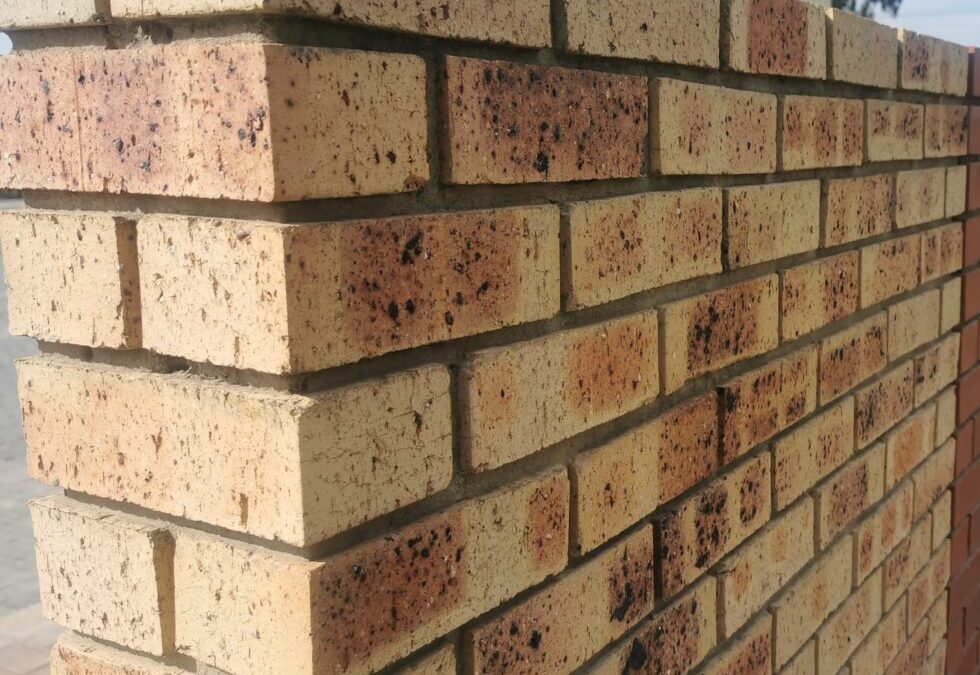
A double line wall, built with two skins of brick, is the strongest and most rigid option available. It can reach heights of up to around 4.5 metres, although walls at the taller end of that range usually need council approval and, in many cases, a structural engineer’s input. Double line walls are often finished with face brick on the outer skin and stock brick on the inner skin, giving you the durability of face brick facing the street with a more budget-friendly brick doing the structural work behind it.
A double line wall needs roughly 110 to 120 bricks per square metre, depending on the exact brick size and bond pattern used.
Comparing Wall Types at a Glance
| Wall Type | Typical Maximum Height | Bricks per m² | Best Suited For |
|---|---|---|---|
| Single Wall | Up to 2m | Approximately 55 | Smaller stands, lower-security boundaries, tighter budgets |
| Single Wall with Pillars | Up to 3m | Approximately 75 | Homeowners wanting extra height without double wall costs |
| Double Line Wall | Up to 4.5m (permit dependent) | Approximately 110 to 120 | Larger properties, higher security needs, street-facing walls |
Why the Foundation Comes Before Everything Else
Whichever wall type you choose, the foundation decides whether it lasts. A properly poured concrete foundation, built with the correct concrete mix and the right rebar steel, protects the wall from ground movement, underground vibration, and settling soil. Skimping on the foundation is the single most common reason boundary walls crack or lean within a few years of being built, regardless of how good the brickwork above ground looks.
A solid foundation gives you two things over the life of the wall. It reduces how often you need to carry out repairs, and it protects the wall from long-term decay caused by moisture and shifting ground. If you want to understand how the materials in that foundation actually work together, our guide on cement, concrete, and mortar breaks down what each one does and why the mix ratio matters.
Height Restrictions and Permits in South Africa
Boundary wall height is not purely a design choice. Most South African municipalities require approved building plans once a wall goes above a certain height, and taller double line walls often need a structural engineer to certify the design before construction starts. These requirements vary by municipality and by how close the wall sits to a road boundary, so it is worth checking with your local council before finalising your wall height. If you are unsure whether your planned wall needs approval, ask your builder or a local architect to confirm before you order materials.
Choosing a Qualified Builder
Whenever you start a building project, whether for business or personal use, it pays to research who will actually be doing the work before you commit. A cheap quote does not always mean a qualified builder, and boundary walls that are rushed or poorly reinforced tend to fail well before their time. The old saying holds up here: it is cheaper to build a wall correctly once than to rebuild it several times over. Ask for references, check previous work where possible, and make sure whoever you hire understands the difference between a single wall, a pillared wall, and a double line wall, since each one is built differently.
Using the correct brickforce in your mortar joints is another detail that is easy to skip and expensive to ignore. Our article on the role of brick force in construction explains why it matters for wall strength and crack prevention.
Getting Your Brick Quantities Right
Once you know which wall type suits your property, getting an accurate brick count keeps your budget and your delivery schedule on track. Use our brick calculator to work out exactly how many bricks your wall needs based on its length and height, and browse our face brick range to compare colours and finishes for the outer skin of your wall before you order.
Frequently Asked Questions
How high can I build a boundary wall without a permit in South Africa?
This varies by municipality, so there is no single national height that applies everywhere. Many councils require approved plans once a wall exceeds roughly 1.8 metres, and taller double line walls often need engineer sign-off. Always confirm the exact requirement with your local municipality before building.
Which boundary wall type is the most affordable?
A single wall is the most affordable option per square metre, using roughly 55 bricks per m² and requiring less labour than a pillared or double line wall. It suits boundaries up to about 2 metres high.
Do I need pillars if I am building a wall under 2 metres?
Not usually. Pillars become important once you go beyond around 2 metres, since they give the wall the lateral support it needs to stay stable at greater heights.
Can I use stock brick for the whole double line wall?
Yes, though most homeowners use face brick on the outer skin for appearance and durability, with stock brick on the inner skin to manage cost. Both skins still need to sit on the same solid concrete foundation.
What is the biggest mistake people make when building a boundary wall?
Underinvesting in the foundation. A wall built on a weak or shallow foundation will eventually crack or lean, no matter how good the brickwork above ground is.
Get a Quote From Dezyno Bricks
Dezyno Bricks supplies premium clay face brick, semi-face brick, and plaster brick across South Africa from our yard in Springs, Gauteng. Call us on 061 538 5968, email sales@dezynobricks.co.za, or message us on WhatsApp to get a quote for your next boundary wall project.