How to Remove Efflorescence from Face Bricks
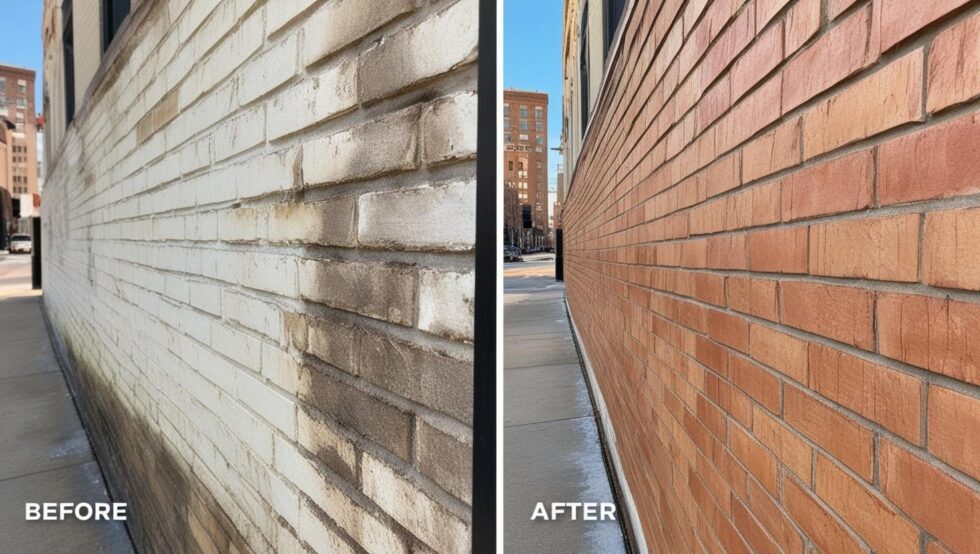
If you’ve noticed a white, powdery residue on your face bricks, you’re likely looking at efflorescence — a common but fixable issue. Here’s a guide to help you understand what it’s about, how to remove it safely, and how to prevent it from coming back.

What Is Efflorescence and Why Does It Happen?
Efflorescence is basically salt: when water moves through the bricks or mortar, which dissolves soluble salts inside. As that water reaches the surface and evaporates, it leaves behind those salt crystals, leaving that dusty white look.
In many cases, especially on new brickwork, efflorescence can fade away naturally over time, thanks to rain and wind. But if it’s persistent or just looks bad, there are effective ways to clean it off.
Effective Ways to Remove Efforescence | DezYNO Bricks
How to Remove Efflorescence — Step by Step
Here are some tried-and-tested methods to get rid of efflorescence on face bricks safely:
Dry Brushing
- Start with a stiff, dry bristle brush and scrub the surface to remove as much of the loose salt as you can.
- Do this when the wall is dry and in good weather, so you don’t spread wet salt back into the brick.
- As you brush, collect the removed salt crystals using a dustpan or vacuum. This stops them from being washed back into the wall by rain.
Rinse with Clean Water
- After brushing, give the wall a gentle rinse with clean water using a garden hose or low-pressure sprayer. This helps remove residue without pushing more water into the bricks than needed.
- Be careful: heavy pressure washing can force water into the bricks and worsen things by reactivating the salts.
- Let the wall dry completely before moving on to further cleaning.
Use a Mild Acidic Solution (Vinegar)
- For more stubborn efflorescence, mix white vinegar and water (a common guideline is 1:1 or a milder mix depending on sensitivity).
- Apply the vinegar solution with a spray bottle or a sponge, let it sit for a few minutes.
- Scrub gently again with your stiff bristle brush.
- After scrubbing, neutralise the acid: rinse thoroughly with clean water so no acidic residue is left behind, which could harm the brick or mortar.
Chemical Cleaners (When Necessary)
- For very stubborn or old efflorescence, stronger cleaning agents might be needed. Some masonry cleaners are formulated to dissolve salt deposits.
- Use acids like diluted hydrochloric acid (muriatic acid) only as a last resort, and with extreme care: use proper protective gear (gloves, goggles), dilute correctly, and follow manufacturer instructions.
- Always pre-wet the brick before applying any aggressive chemical. This helps control how the chemical is absorbed.
- After the chemical treatment, thoroughly rinse the area to remove acid and salts, then allow the wall to dry fully.
Allow for Complete Drying
Once cleaned, give the bricks time to dry out (ideally 48 hours or more) so trapped moisture doesn’t bring more salts to the surface.
Tips to Prevent Efflorescence from Coming Back
Removing efflorescence is one thing — preventing it is another. Here are some best practices:
- Make sure the source of moisture is addressed. If water is constantly penetrating the wall (from leaks, poor drainage or flooding), the salts will just keep coming back.
- Improve ventilation or encourage drying (especially for new brickwork) so that moisture doesn’t sit inside the masonry.
- Avoid using water with high salt content for cleaning — this could add more soluble salts to the brick.
- After cleaning, you might consider using a masonry sealer (if appropriate) to slow the re-entry of moisture. But make sure to pick a sealer that’s breathable, so the brick can still “breathe” and release moisture.
Safety First
- Always wear protective gear: gloves, goggles, maybe even a respirator if you’re mixing or applying acids.
- Test any cleaning solution (vinegar, commercial cleaner, acid) on a small, inconspicuous area first to make sure it doesn’t damage or discolour your bricks.
- Work when weather conditions are favourable: avoid very cold or very humid days, which could affect how the salts or cleaners behave.
Final Thoughts
Efflorescence on face bricks can be unsightly, but the good news is it’s usually not a structural problem — and often it’s something you can treat yourself. Start with the gentlest method (dry brushing), and only move to more aggressive cleaning (vinegar, then gentle acid) if needed. Just be sure to neutralise and rinse afterward, and always protect yourself when working with chemicals.
If this is something recurring, or if the patches are very stubborn, it may be worth consulting a brickwork or masonry expert to check for moisture issues or structural concerns.
-

Lupa Blend Satin FaceBricks
R5.50 -

Nala Satin Dark FaceBrick
R5.60 -

Nala Travertine Face Brick
R8.25 -

Nebraska Travertine Face Brick
R6.00 -

Protea Satin Face Brick
R8.40 -

Red Antique Satin Face Brick
R7.00 -

Redwood Travertine Face Brick
R8.30 -

Redwood Travertine Flash Face Bricks
R6.80 -

Roma Satin Semiface Brick
R3.90