
Face brick is one of the most popular exterior finishes in South Africa, and for good reason. It looks established, it holds up well against our climate, and it barely needs any upkeep once it is built. That said, it is not automatically the right choice for every project or every budget. Weighing the real advantages against the genuine drawbacks before you commit is the only way to know if face brick is the right fit for your build.
Advantages of Face Bricks
Aesthetic Appeal
Face brick has a natural texture and depth that paint simply cannot replicate. It is available in a wide range of colours and finishes, from smooth satin tones to rougher travertine textures, which gives architects and homeowners real freedom to match a wall to the style of the home, whether that is a modern minimalist build or a traditional farmhouse.
Durability and Low Maintenance
Because face brick is fired at high temperatures during manufacturing, it develops strong resistance to sun, rain, and temperature swings. A well-built face brick wall can last for decades without repainting, unlike a plastered wall that needs to be redone every several years as it chips and fades.
Energy Efficiency
Brick has natural thermal mass, meaning it absorbs heat slowly during the day and releases it slowly at night. This helps regulate indoor temperatures, which can translate into a slightly more comfortable home and a small reduction in heating and cooling costs over time.
Environmentally Friendly
Clay is a natural, abundant material, and face brick has a long service life, which reduces the environmental cost of repairs and replacements compared to finishes that need frequent attention. Bricks are also fully recyclable at the end of a building’s life.
Adds Resale Value
Homes finished in quality face brick are often viewed favourably by buyers, since the finish signals lower ongoing maintenance and generally reads as a more solid, established build.
Disadvantages of Face Bricks
Higher Upfront Cost
Face brick is graded and manufactured for appearance as well as strength, which means it typically costs more per square metre than a plastered wall using standard structural brick. For homeowners working to a tight budget, this upfront cost is usually the biggest factor against it.
Limited Flexibility Once Built
Painted plaster can be repainted in a new colour whenever you want a change. A face brick wall cannot be repainted without losing the point of using face brick in the first place, so the colour decision you make at the start is largely permanent.
Moisture and Efflorescence Risk
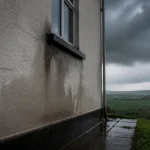
If a face brick wall is not built to the correct standard, water can penetrate the brick and bring dissolved salts to the surface as it dries, leaving a white, chalky residue known as efflorescence. This is not usually a sign of a structural problem, but it does affect appearance and needs proper cavity design and detailing to prevent. If you are dealing with this already, our guide on removing efflorescence from face bricks walks through how to treat it.
Face Brick Pros and Cons at a Glance
| Factor | Advantage | Disadvantage |
|---|---|---|
| Appearance | Natural texture, wide colour range | Cannot be changed once built |
| Cost | Long-term savings on maintenance | Higher upfront material cost |
| Durability | Lasts decades with little upkeep | Poor construction risks moisture issues |
| Climate performance | Handles heat, rain, and UV well | Needs correct detailing near coast or damp areas |
| Resale | Often boosts perceived home value | Limited appeal if colour is unusual |
So How Do You Decide?
The right answer depends on your budget, how long you plan to stay in the property, and how much ongoing maintenance you are willing to take on. If you want a finish that will barely need attention for the next 20 years and you can absorb the higher upfront cost, face brick is generally the stronger long-term choice. If your budget is tighter right now and you are comfortable repainting every few years, plastered brick may make more financial sense in the short term. Our comparison of face brick versus plaster and paint covers the cost breakdown in more detail.
If you are building near the coast, the moisture risk mentioned above deserves extra attention. Our guide to specifying face bricks for coastal versus inland properties explains what changes when you are building close to the sea.
Once you have weighed up the trade-offs, browse our range of face bricks to see current colours, textures, and pricing, or use our brick calculator to estimate what your project will need.
Frequently Asked Questions
Is face brick more expensive than plaster and paint?
Yes, in most cases the upfront material cost is higher. However, because face brick does not need repainting, the long-term maintenance cost is usually lower over the life of the wall.
Does face brick crack more than plastered walls?
Not inherently. Cracking in any brick wall is almost always related to the foundation or ground movement rather than the type of brick used. A properly built foundation is the real factor that determines whether a wall cracks.
Can I paint over face brick later if I change my mind?
Technically yes, but doing so removes the natural texture and low-maintenance benefit that made face brick worth choosing in the first place. It is not a decision to make lightly.
Is efflorescence a sign of a bad brick?
Not necessarily. Efflorescence is usually caused by moisture getting into the wall through poor detailing or construction, rather than a fault in the brick itself.
Which grade of face brick is the most cost-effective?
FBA, also known as semi-face brick, gives a similar appearance to higher grades at a lower cost, with slightly more natural colour variation between bricks.
Get a Quote From Dezyno Bricks
Dezyno Bricks supplies premium clay face brick, semi-face brick, and plaster brick across South Africa from our yard in Springs, Gauteng. Call us on 061 538 5968, email sales@dezynobricks.co.za, or message us on WhatsApp to get a quote for your next project.